
Diagnosing Peripheral Neuropathy in Diabetic Patients

Peripheral neuropathy is a condition that develops when nerves outside the brain and spinal cord become damaged. Diabetes is one of the most common causes of this problem. High blood sugar can damage nerves in the feet and reduce healthy blood flow. This makes it harder for the nerves to function properly. Symptoms include burning pain, tingling, and numbness. Weakness and a pins-and-needles feeling in the feet are also common. Symptoms can become worse when walking and may affect balance and stability. Lack of sensation in the feet also raises the risk of cuts, sores, and infections going unnoticed. A podiatrist can examine the feet, check nerve function, and order diagnostic testing to identify nerve damage and its cause. Treatment focuses on reducing symptoms, protecting the feet from further damage, and improving comfort and mobility. If you have symptoms of peripheral neuropathy, it is suggested that you schedule an appointment with a podiatrist for a diagnosis and management options.

Diabetic foot care is important in preventing foot ailments such as ulcers. If you are suffering from diabetes or have any other concerns about your feet, contact Alice Kim, DPM from 101 Foot and Ankle. Our doctor can provide the care you need to keep you pain-free and on your feet.

Diabetic Foot Care

Diabetes affects millions of people every year. The condition can damage blood vessels in many parts of the body, especially the feet. Because of this, taking care of your feet is essential if you have diabetes, and having a podiatrist help monitor your foot health is highly recommended.

The Importance of Caring for Your Feet

  • Routinely inspect your feet for bruises or sores.
  • Wear socks that fit your feet comfortably.
  • Wear comfortable shoes that provide adequate support.

Patients with diabetes should have their doctor monitor their blood levels, as blood sugar levels play such a huge role in diabetic care. Monitoring these levels on a regular basis is highly advised.

It is always best to inform your healthcare professional of any concerns you may have regarding your feet, especially for diabetic patients. Early treatment and routine foot examinations are keys to maintaining proper health, especially because severe complications can arise if proper treatment is not applied.

If you have any questions, please feel free to contact our office located in Camarillo, CA . We offer the newest diagnostic and treatment technologies for all your foot care needs.

Read more about Diabetic Foot Care

Are You Suffering From Nerve Damage?

Neuropathy is a condition that can lead to numbness or loss of sensation in the feet, but it can also cause pain. This condition is more likely to develop for those who are diabetic, obese, or with high blood pressure.

Heel Pain From Plantar Fasciitis

Pain from plantar fasciitis is a condition that commonly affects the bottom of the heel. It occurs when the plantar fascia, the thick band of tissue that supports the arch, becomes strained and develops small tears over time. This stress is often linked to repeated pressure from standing, walking, or running. Pain from plantar fasciitis is usually sharp and felt with the first steps in the morning or after periods of rest. It may improve with movement but return later in the day. Risk factors include flat feet, high arches, excess weight, and jobs that require spending long hours on the feet. A podiatrist can evaluate your foot structure, observe how you walk, and use imaging to confirm the cause of pain. Treatment options include custom orthotics, supportive devices, and targeted exercises to reduce strain and improve function. If you have heel pain, it is suggested that you schedule an appointment with a podiatrist for a diagnosis and appropriate treatment.

Plantar fasciitis can be very painful and inconvenient. If you are experiencing heel pain or symptoms of plantar fasciitis, contact Alice Kim, DPM  from 101 Foot and Ankle. Our doctor can provide the care you need to keep you pain-free and on your feet.

What Is Plantar Fasciitis?

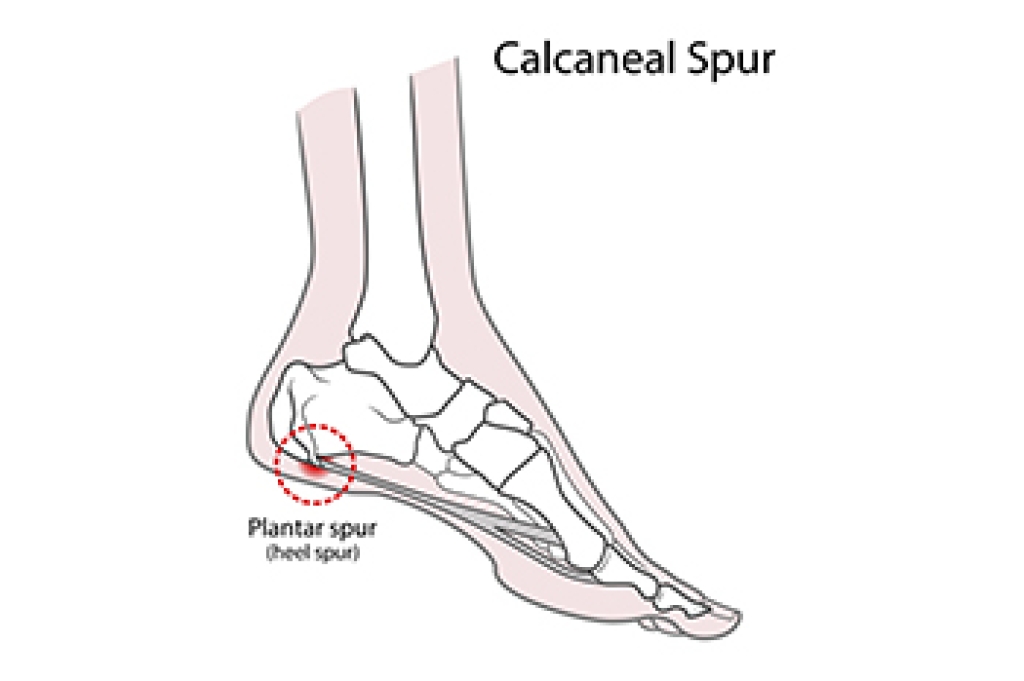
Plantar fasciitis is the inflammation of the thick band of tissue that runs along the bottom of your foot, known as the plantar fascia, and causes mild to severe heel pain.

What Causes Plantar Fasciitis?

  • Excessive running
  • Non-supportive shoes
  • Overpronation
  • Repeated stretching and tearing of the plantar fascia

How Can It Be Treated?

  • Conservative measures – anti-inflammatories, ice packs, stretching exercises, physical therapy, orthotic devices
  • Shockwave therapy – sound waves are sent to the affected area to facilitate healing and are usually used for chronic cases of plantar fasciitis
  • Surgery – usually only used as a last resort when all else fails. The plantar fascia can be surgically detached from the heel

While very treatable, plantar fasciitis is definitely not something that should be ignored. Especially in severe cases, speaking to your doctor right away is highly recommended to avoid complications and severe heel pain. Your podiatrist can work with you to provide the appropriate treatment options tailored to your condition.

If you have any questions, please feel free to contact our office located in Camarillo, CA . We offer the newest diagnostic and treatment technologies for all your foot care needs.
Read more about Plantar Fasciitis

Dangers of Poor Proprioception in the Feet

Proprioception is the body’s ability to sense position and movement without looking. It allows people to walk, stand, and adjust balance with ease. When this system does not work well, coordination and stability can suffer. Poor proprioception can lead to frequent missteps, ankle sprains, and falls, especially on uneven surfaces. It may also cause slower reaction times, making it harder for the feet and ankles to respond to sudden changes in movement. Causes include aging, previous injuries, nerve problems, and reduced joint awareness. A podiatrist can evaluate balance, joint motion, and nerve function to determine the source of the problem. Treatment plans include targeted exercises, bracing, or custom orthotics to improve foot stability and alignment. If you have symptoms of poor proprioception, it is suggested that you schedule an appointment with a podiatrist for a diagnosis and appropriate treatment.

If you have any concerns about your feet, contact Alice Kim, DPM from 101 Foot and Ankle. Our doctor can provide the care you need to keep you pain-free and on your feet.

Biomechanics in Podiatry

Podiatric biomechanics is a particular sector of specialty podiatry with licensed practitioners who are trained to diagnose and treat conditions affecting the foot, ankle and lower leg. Biomechanics deals with the forces that act against the body, causing an interference with the biological structures. It focuses on the movement of the ankle, the foot and the forces that interact with them.

A History of Biomechanics

  • Biomechanics dates back to the BC era in Egypt where evidence of professional foot care has been recorded.
  • In 1974, biomechanics gained a higher profile from the studies of Merton Root, who claimed that by changing or controlling the forces between the ankle and the foot, corrections or conditions could be implemented to gain strength and coordination in the area.

Modern technological improvements are based on past theories and therapeutic processes that provide a better understanding of podiatric concepts for biomechanics. Computers can provide accurate information about the forces and patterns of the feet and lower legs.

Understanding biomechanics of the feet can help improve and eliminate pain, stopping further stress to the foot.

If you have any questions please feel free to contact our office located in Camarillo, CA . We offer the newest diagnostic and treatment technologies for all your foot and ankle needs.

Read more about Biomechanics in Podiatry

When Your Child’s Feet Turn Inward

When a child’s feet turn inward while walking, this is called in-toeing. It often happens because the bones in the leg are slightly rotated, causing the toes to point inward instead of straight ahead. This is common in toddlers and young children, and is often part of normal growth. Some children may trip more often, while others have no pain or trouble staying active. In-toeing can come from the shin bone, called the tibia, or the thigh bone, called the femur, turning inward. A podiatrist can examine how your child walks, check foot and leg alignment, and determine if the condition is likely to improve with growth or if further care is needed. In rare cases, imaging or surgery may be discussed if the problem is severe. If your child is in-toeing, it is suggested that you schedule an appointment with a podiatrist for a diagnosis, appropriate treatment, and effective management of this condition.

The health of a child’s feet is vital to their overall well-being. If you have any questions regarding foot health, contact Alice Kim, DPM of 101 Foot and Ankle. Our doctor can provide the care you need to keep you pain-free and on your feet.

Tips for Keeping Children's Feet Healthy

  • Make sure their shoes fit properly
  • Look for any signs of in-toeing or out-toeing
  • Check to see if they have Clubfoot (condition that affects your child’s foot and ankle, twisting the heel and toes inward) which is one of the most common nonmajor birth defects.
  • Lightly cover your baby’s feet (Tight covers may keep your baby from moving their feet freely, and could prevent normal development)
  • Allow your toddler to go shoeless (Shoes can be restricting for a young child’s foot)
  • Cut toenails straight across to avoid ingrown toenails
  • Keep your child’s foot clean and dry
  • Cover cuts and scrapes. Wash any scratches with soap and water and cover them with a bandage until they’ve healed.

If you have any questions, please feel free to contact our office located in Camarillo, CA . We offer the newest diagnostic and treatment technologies for all your foot care needs.

Read more about How to Care for Your Child's Feet

Connect With Us

scroll to top