
Comparing Sprains and Strains in the Feet

Sprains and strains are common soft tissue injuries in the foot, but they affect different structures. A sprain occurs when a ligament is stretched or torn. Ligaments are strong bands of tissue that connect bones and help stabilize joints, such as the ankle. A strain involves a muscle or a tendon, which connects to bones and helps create movement. Strains may develop from sudden movements, heavy loading, or repeated stress while walking, running, or playing sports. Both injuries may cause pain, swelling, bruising, weakness, and difficulty moving the foot or bearing weight. Because these injuries can resemble fractures or other foot problems, a podiatrist performs a careful exam and may order imaging to confirm the diagnosis. This is followed by formulating a treatment plan that protects stability and long-term function as the injury heals. If you have injured your foot, it is suggested that you make an appointment with a podiatrist for an exam, diagnosis, and treatment.

Foot Pain

Foot pain can be extremely painful and debilitating. If you have a foot pain, consult with Alice Kim, DPM from 101 Foot and Ankle. Our doctor will assess your condition and provide you with quality foot and ankle treatment.

Causes

Foot pain is a very broad condition that could be caused by one or more ailments. The most common include:

  • Bunions
  • Hammertoes
  • Plantar Fasciitis
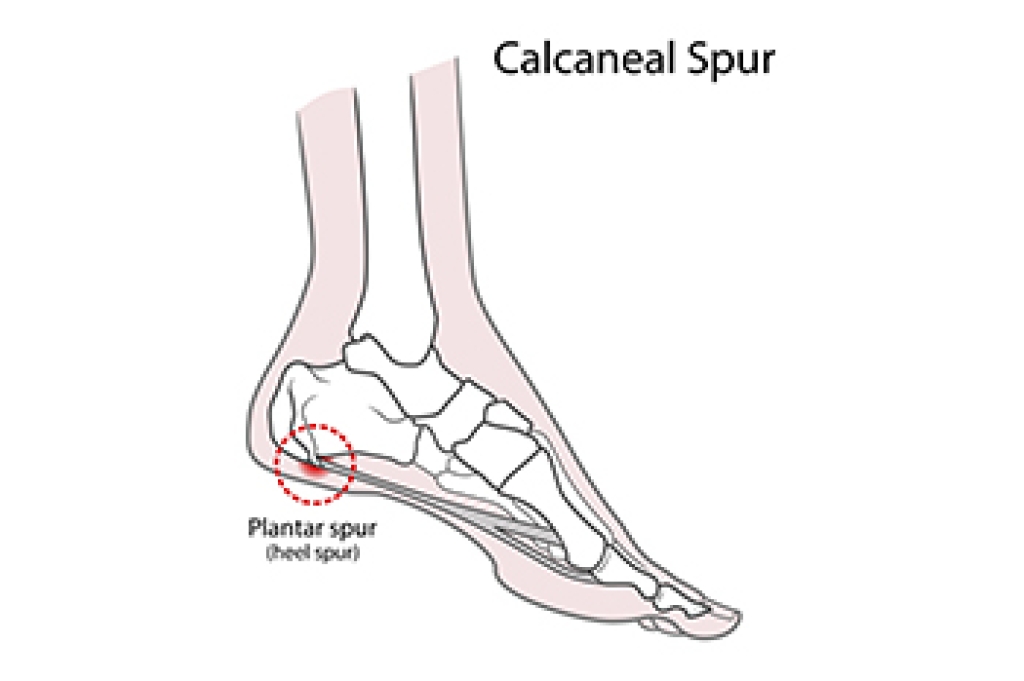
  • Bone Spurs
  • Corns
  • Tarsal Tunnel Syndrome
  • Ingrown Toenails
  • Arthritis (such as Gout, Rheumatoid, and Osteoarthritis)
  • Flat Feet
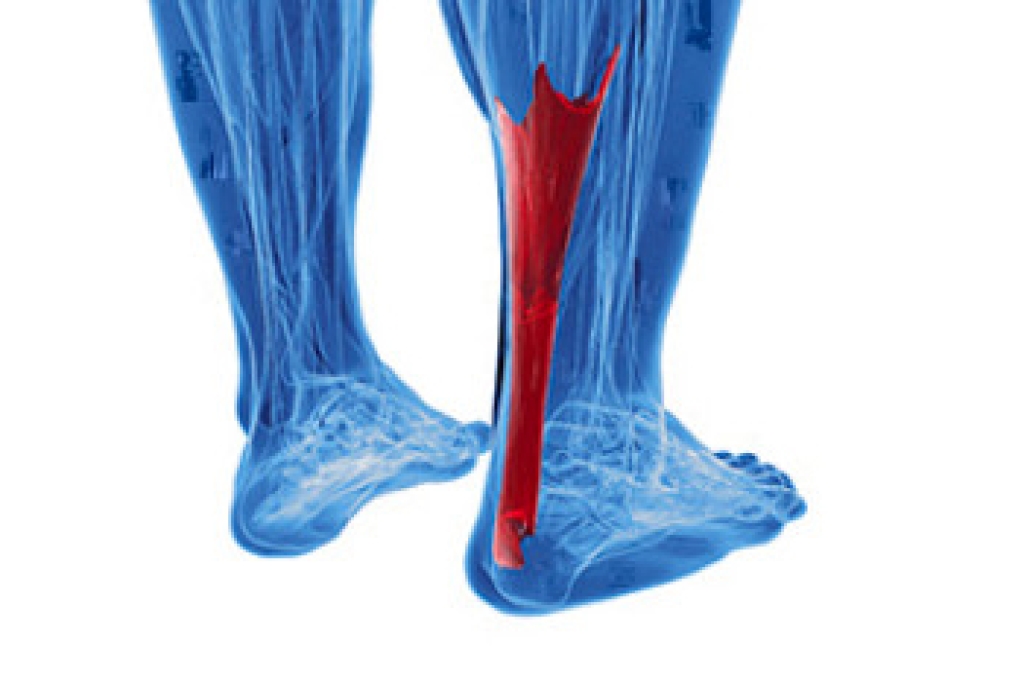
  • Injury (from stress fractures, broken toe, foot, ankle, Achilles tendon ruptures, and sprains)
  • And more

Diagnosis

To figure out the cause of foot pain, podiatrists utilize several different methods. This can range from simple visual inspections and sensation tests to X-rays and MRI scans. Prior medical history, family medical history, and any recent physical traumatic events will all be taken into consideration for a proper diagnosis.

Treatment

Treatment depends upon the cause of the foot pain. Whether it is resting, staying off the foot, or having surgery; podiatrists have a number of treatment options available for foot pain.

If you have any questions, please feel free to contact our office located in Camarillo, CA . We offer the newest diagnostic and treatment technologies for all your foot care needs.

Read more about Foot Pain

Ankle Fracture? Don’t Wait for Treatment

If you're suffering from an ankle fracture, professional attention shouldn't wait. Fractures may worsen over time and can make completing everyday activities incredibly difficult. See your specialist for treatment and guidance through the healing process. 

Tarsal Tunnel Syndrome and Foot Nerve Pain

Tarsal tunnel syndrome is a nerve compression condition that affects the posterior tibial nerve as it passes through the tarsal tunnel, a narrow space located along the inner side of the ankle and foot. When this nerve becomes compressed or irritated, it can cause pain and nerve-related symptoms throughout the foot. Causes include injury, swelling, flat feet, varicose veins, or anything that places pressure on the nerve. Risk factors include overuse, foot deformities, inflammatory joint disease, and repetitive stress activities. Symptoms often include burning pain, tingling, numbness, and sharp discomfort that may worsen with prolonged standing or walking. A podiatrist can evaluate foot structure, recommend supportive treatment, and help relieve nerve pressure. If you have pain in this part of your foot, it is suggested that you consult a podiatrist who can accurately diagnose and treat tarsal tunnel syndrome. 

Tarsal tunnel syndrome can be very uncomfortable to live with. If you are experiencing tarsal tunnel syndrome, contact Alice Kim, DPM of 101 Foot and Ankle. Our doctor can provide the care you need to keep you pain-free and on your feet.

Tarsal Tunnel Syndrome

Tarsal tunnel syndrome, which can also be called tibial nerve dysfunction, is an uncommon condition of misfiring peripheral nerves in the foot. The tibial nerve is the peripheral nerve in the leg responsible for sensation and movement of the foot and calf muscles. In tarsal tunnel syndrome, the tibial nerve is damaged, causing problems with movement and feeling in the foot of the affected leg.

Common Cause of Tarsal Tunnel Syndrome

  • Involves pressure or an injury, direct pressure on the tibial nerve for an extended period of time, sometimes caused by other body structures close by or near the knee.
  • Diseases that damage nerves, including diabetes, may cause tarsal tunnel syndrome.
  • At times, tarsal tunnel syndrome can appear without an obvious cause in some cases.

The Effects of Tarsal Tunnel Syndrome

  • Different sensations, an afflicted person may experience pain, tingling, burning or other unusual sensations in the foot of the affected leg.
  • The foot muscles, toes and ankle become weaker, and curling your toes or flexing your foot can become difficult.
  • If condition worsens, infections and ulcers may develop on the foot that is experiencing the syndrome.

A physical exam of the leg can help identify the presence of tarsal tunnel syndrome. Medical tests, such as a nerve biopsy, are also used to diagnose the condition. Patients may receive physical therapy and prescriptive medication. In extreme cases, some may require surgery.

If you have any questions please contact our office located in Camarillo, CA . We offer the newest diagnostic and treatment technologies for all your foot and ankle needs.

Read more about Treating Tarsal Tunnel Syndrome

When Toenails Become Thick and Discolored

A fungal infection of the toenails, termed onychomycosis, causes changes in color, thickness, and texture. The nail may appear yellow, brown, or white, and can become brittle, crumbly, or separated from the nail bed. Some patients notice a foul odor or debris collecting under the nail. This condition develops when fungi enter through small cracks in the nail or surrounding skin, often thriving in warm, moist environments like sweaty shoes. Although it may begin as a cosmetic concern, untreated toenail fungus can lead to discomfort, pressure while wearing shoes, and the spread of infection to other nails or skin. A podiatrist will examine the nail and may take a sample to confirm the diagnosis before recommending treatment. Options include topical medication, oral antifungal therapy, or, in some cases, removal of the infected portion of the nail. If you have signs of a toenail infection, it is suggested that you schedule an appointment with a podiatrist for a proper diagnosis and appropriate treatment.

For more information about treatment, contact Alice Kim, DPM of 101 Foot and Ankle. Our doctor can provide the care you need to keep you pain-free and on your feet.

Toenail Fungus Treatment

Toenail fungus is a condition that affects many people and can be especially hard to get rid of. Fortunately, there are several methods to go about treating and avoiding it.

Antifungals & Deterrence

Oral antifungal medicine has been shown to be effective in many cases. It is important to consult with a podiatrist to determine the proper regiment for you, or potentially explore other options.

Applying foot powder on the feet and shoes helps keep the feet free of moisture and sweat.

Sandals or open toed shoes – Wearing these will allow air movement and help keep feet dry. They also expose your feet to light, which fungus cannot tolerate. Socks with moisture wicking material also help as well.

If you have any questions please contact our office located in Camarillo, CA . We offer the newest diagnostic and treatment technologies for all your foot and ankle needs.

Read more about How to Treat Your Toenail Fungus

Common Foot Problems and Foot Protection in Seniors

As people age, several common foot problems may develop due to natural changes in skin, circulation, and joint health. One significant change is that the fat pads on the feet become thinner, reducing cushioning and increasing sensitivity to pressure. This can lead to discomfort, calluses, and a higher risk of skin breakdown. Protecting elderly feet involves staying active to promote circulation and mobility, inspecting feet daily for cuts or changes, using moisturizer to prevent dryness, and wearing shoes that fit well and provide proper support. These habits help maintain comfort and reduce complications. A podiatrist can assess foot health, manage existing concerns, and recommend preventive care. If you have foot pain, it is suggested that you consult a podiatrist who can treat various foot and ankle conditions, and guide you on additional elderly foot care tips.

If you need your feet checked, contact Alice Kim, DPM of 101 Foot and Ankle. Our doctor will attend to all of your foot and ankle needs and provide you with quality treatment.

Geriatrics and Podiatry
When people age, some common issues that may occur are bone density loss, dry skin, poor circulation, and rough brittle nails. These issues may also affect your foot health if the necessary steps are not taken to alleviate the problems.

It is important to take care of your feet because feet that are injured or diseased can affect your overall health. Having painful feet hinders your ability to do daily activities or may decrease your willingness to do the things that you need to do.

Visiting Your Geriatrician
As we age, health problems become more likely, so it is essential to visit your doctor for check-ups to ensure that you are doing the best you can to take care of your health. It is recommended to check your feet frequently for any possible cuts, bruises, swelling, corns or any other irregularities. 

Taking Care of Elderly Feet
Cracked or dry feet can be treated by applying moisturizer often. It is also important not to wear old socks because the older the sock is, the higher the possibility there will be that there is bacteria there. Wear fresh socks and make sure they fit properly.

Proper foot health means that you can have a more active lifestyle and you will not be bogged down by pain. Foot health also leads to good circulation, which is paramount for overall health.

If you have any questions, please feel free to contact our office located in Camarillo, CA . We offer the newest diagnostic and treatment technologies for all your foot care needs.
Read more about Geriatrics and Podiatry

Connect With Us

scroll to top