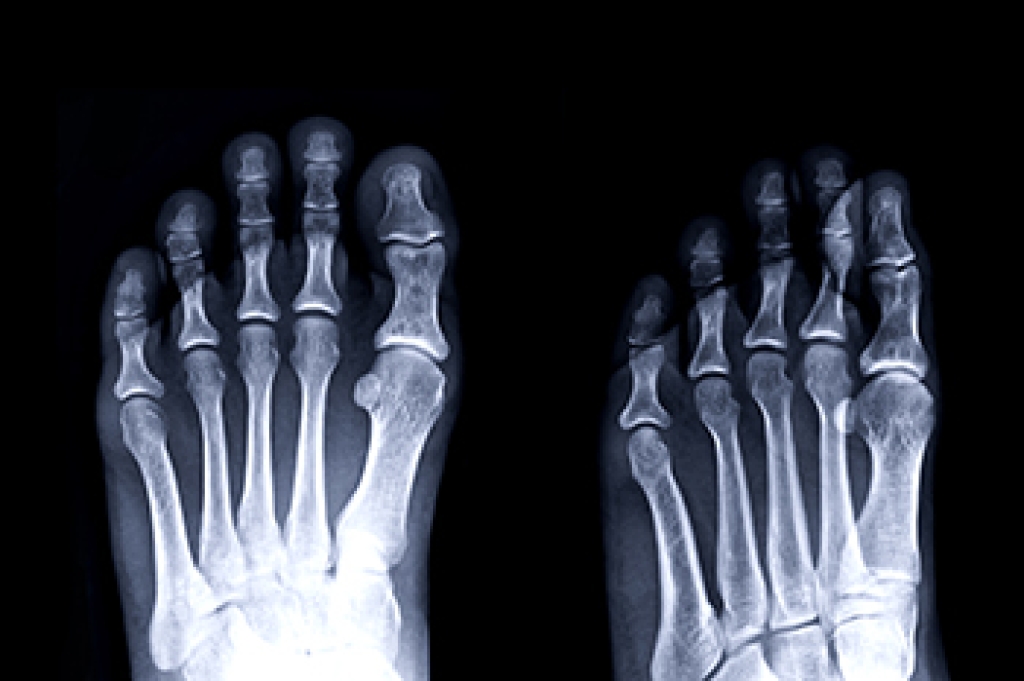
Metatarsus primus varus is a foot deformity in which the first metatarsal bone angles away from the second metatarsal bone. The first metatarsal connects the midfoot to the base of the big toe and plays an important role in supporting body weight during walking. When this bone shifts inward, it can change the alignment of the big toe joint and contribute to a bunion. Although metatarsus primus varus and bunions are closely related, they are not the same condition. Understanding this structural change helps you recognize early warning signs and seek appropriate foot care before discomfort interferes with daily activities.
The symptoms of metatarsus primus varus often develop gradually as the foot structure changes. Some people notice a widening of the forefoot, while others experience pain near the big toe joint. Swelling may develop around the affected area, particularly after prolonged standing or walking. Tight-fitting shoes increase pressure on the joint and make discomfort worse. As the big toe moves toward the smaller toes, a bunion may become more noticeable. In some cases, the altered alignment affects walking patterns and makes it difficult to find comfortable footwear. Early evaluation helps identify the deformity and reduce the risk of worsening symptoms.
Several factors may contribute to metatarsus primus varus, including inherited foot structure and abnormal movement of the first metatarsal bone. Certain foot mechanics place additional stress on the big toe joint, gradually affecting its alignment. Risk factors include a family history of bunions, naturally flexible joints, and wearing shoes with a narrow toe box. Although tight shoes do not necessarily cause the underlying bone deformity, they can aggravate pressure and pain. Not everyone with metatarsus primus varus develops symptoms, so understanding your individual foot structure is important when deciding whether treatment is needed.
A podiatrist diagnoses metatarsus primus varus by examining the foot, evaluating big toe alignment, and assessing joint movement. Weight-bearing X-rays may be used to measure the angle between the first and second metatarsal bones and determine the severity of the deformity. Treatment may include wearing wider shoes, custom orthotics, and strategies to reduce pressure on the affected joint. When pain remains severe, or the deformity significantly affects walking, surgical correction may be considered. If you have symptoms of metatarsus primus varus, it is suggested that you consult a podiatrist for effective relief and treatment solutions.
Foot Pain
Foot pain can be extremely painful and debilitating. If you have a foot pain, consult with Alice Kim, DPM from 101 Foot and Ankle. Our doctor will assess your condition and provide you with quality foot and ankle treatment.
Causes
Foot pain is a very broad condition that could be caused by one or more ailments. The most common include:
- Bunions
- Hammertoes
- Plantar Fasciitis
- Bone Spurs
- Corns
- Tarsal Tunnel Syndrome
- Ingrown Toenails
- Arthritis (such as Gout, Rheumatoid, and Osteoarthritis)
- Flat Feet
- Injury (from stress fractures, broken toe, foot, ankle, Achilles tendon ruptures, and sprains)
- And more
Diagnosis
To figure out the cause of foot pain, podiatrists utilize several different methods. This can range from simple visual inspections and sensation tests to X-rays and MRI scans. Prior medical history, family medical history, and any recent physical traumatic events will all be taken into consideration for a proper diagnosis.
Treatment
Treatment depends upon the cause of the foot pain. Whether it is resting, staying off the foot, or having surgery; podiatrists have a number of treatment options available for foot pain.
If you have any questions, please feel free to contact our office located in Camarillo, CA . We offer the newest diagnostic and treatment technologies for all your foot care needs.
